How ITAR concerns are affecting US defense sales abroad
US arms-sale regulations are causing some European firms to reassess their approach toward military modernization.
US arms-sale regulations are causing some European firms to reassess their approach toward military modernization.

President Donald Trump "will decide the path forward on nuclear arms control, which he will clarify on his own timeline," a White House official told Breaking Defense.

Explore how software, edge AI and resilient connectivity can strengthen military logistics in contested environments. Join Breaking Defense on Oct. 21 and earn 1 CPE credit.

"This paper ... provides a framework that could help ensure that verification challenges are not used as a convenient excuse for giving up on space arms control as an option," writes author Mick Gleason.

The conservative Heritage Foundation presented the new report as a potential draft Nuclear Posture Review for the 2025 presidential administration.

"Although Russia would not be expected to vote for a resolution aimed at its own conduct, its response that it is 'against' putting nuclear weapons in space is just vague enough to not quite be reassuring," said Jessica West of Canada's Project Ploughshares.

Two US officials exclusively tell Breaking Defense the details of new international "working groups" that are the next step in Washington's campaign for ethical and safety standards for military AI and automation - without prohibiting their use entirely.

Avoiding vendor lock and providing more room for sensors and upgrades are critical considerations.

Even if China doesn’t agree to or abide by new “confidence-building measures,” CNAS scholar Tom Shugart says, the US and its allies should adopt them unilaterally to reduce the risk of accidents or worse in the West Pacific.

Russia's stance will need to be "baked into" Biden administration "thinking as we look at our own nuclear modernization, our own deterrence measures that we may want to take, and what the security environment could look like after 2026," said White House arms control advisor Pranay Vaddi.

Over the last 11 months, the US has made major progress in defining “Responsible Military Use of Artificial Intelligence” and even getting other nations to sign on the idea — without ever actually precluding the kind of automated “killer robots” activists want to ban.

Details are scant for now, but experts tell Breaking Defense that any AI agreement between China and the US could involve a pledge not to use AI in nuclear systems.

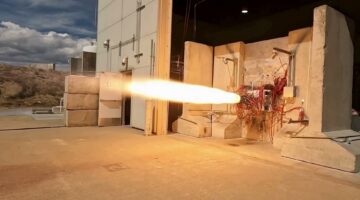
Demand signals from leadership are shaping investments in design, engineering and manufacturing.
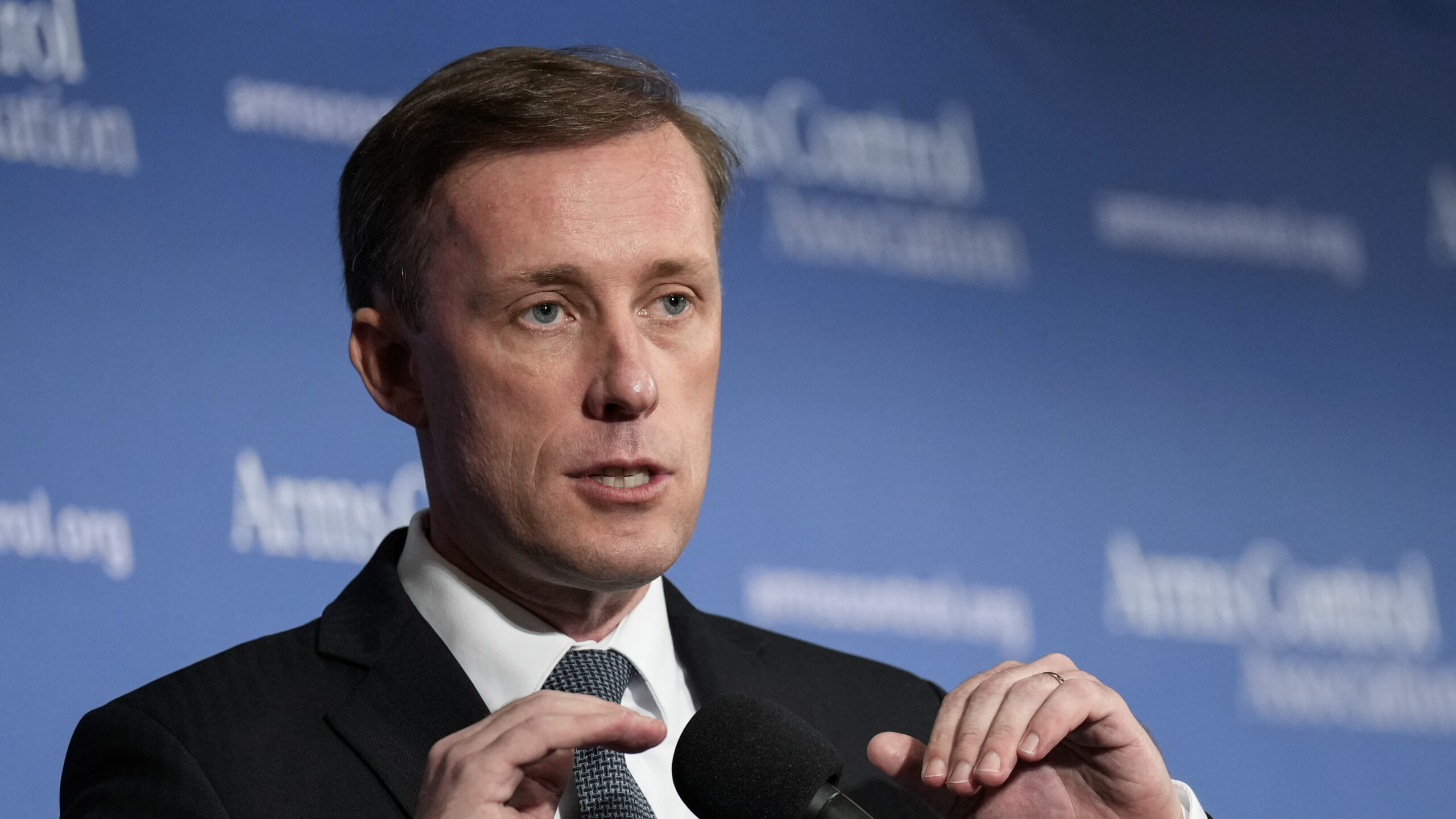
Of military to military relations with China, the US is "ready to talk when you're ready to talk," White House National Security Advisor Jake Sullivan said today in a speech to the Arms Control Association.
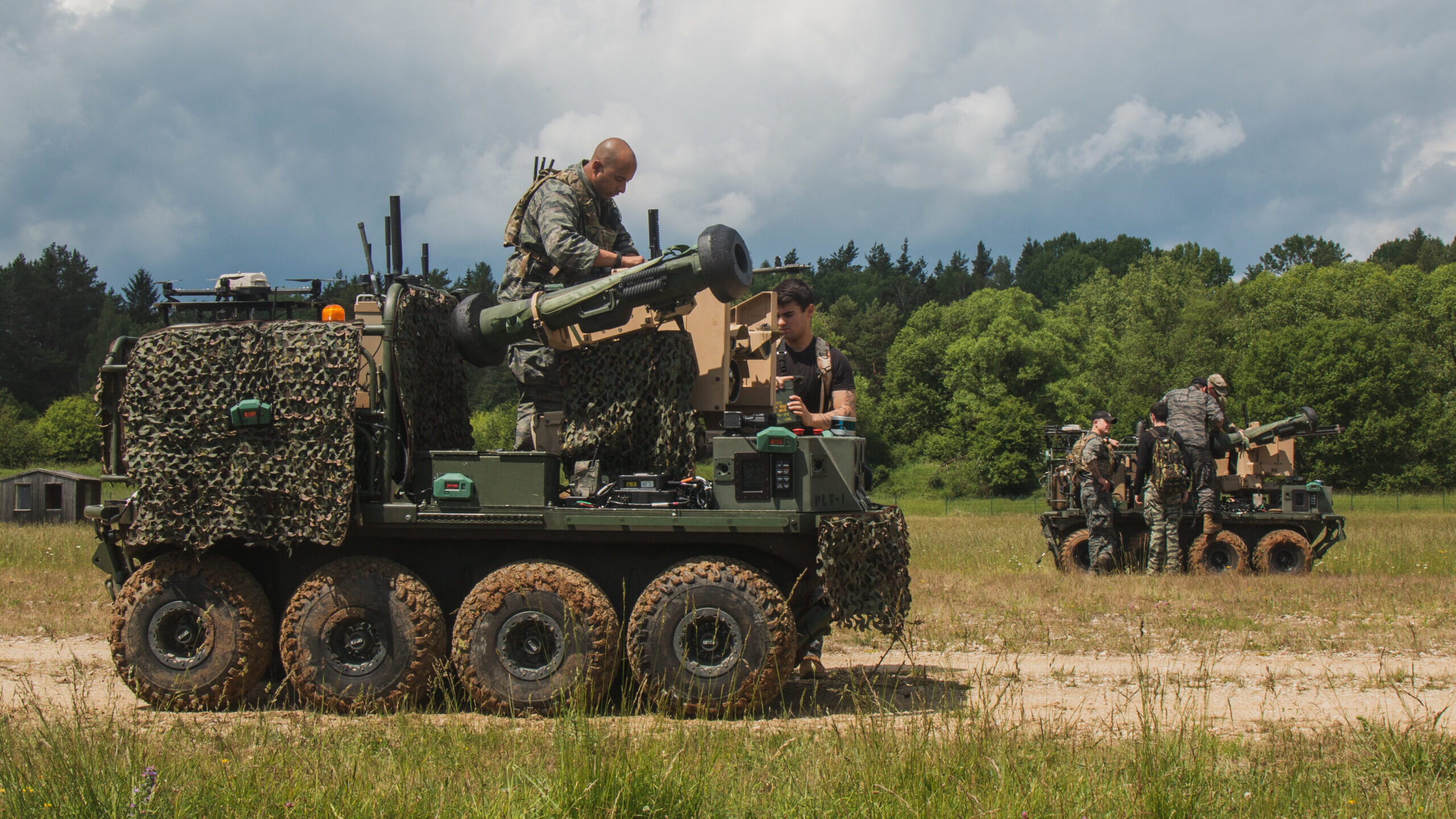
Last week, 33 nations called for a global treaty restricting “lethal autonomous weapons.” But US officials warn that such a ban would be both premature and overly narrow, preferring broader but non-binding “best practices” guiding any military employment of AI.

The revised DoD Directive 3000.09 refines an obscure review process, adding broad AI ethics principles but still not actually forbidding development or deployment of would-be killer robots.

For US nuclear stocks, Jill Hruby of the Department of Energy said, "this is the most demanding moment in the history of our nation's nuclear enterprise since the Manhattan Project."